Short Story
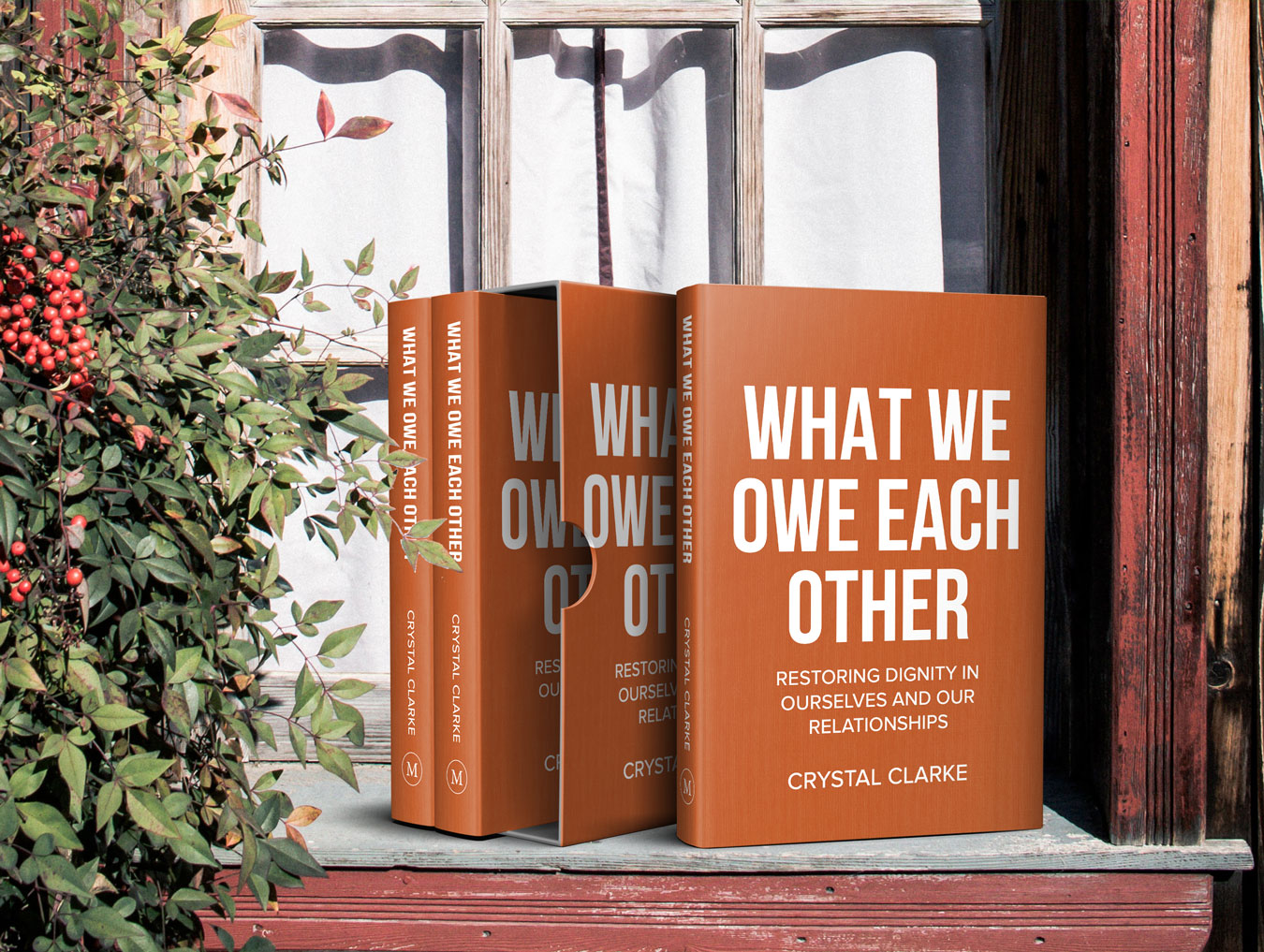
What We Owe Each Other: Restoring Dignity in Ourselves and Our Relationships examines the deeper roots of relational breakdown. The book argues that the crisis we face is not simply a lack of connection, but a loss of relational dignity, the ability to treat ourselves and others with care, recognition, and respect.
What We Owe Each Other: Restoring Dignity in Ourselves and Our Relationships

My name is Crystal Clarke, and I am the author of What We Owe Each Other. I wrote this book because I kept seeing the same pattern: people deeply longing for connection, while participating in relational dynamics that undermine connection. Again and again, I saw people longing for belonging while participating in relational habits that erode the dignity required for genuine connection.
Through my work as a social psychologist and organizational development consultant, I have studied human behavior across schools, workplaces, and communities. What became clear is that many of the challenges we face are not simply structural, they are relational. And those relational fractures are rooted in a deeper disconnection from self.
My hope is that, in reading this book, you will better understand why relationships can feel confusing, draining, or fragile and gain the insight and tools to begin relating better to others and ourselves.
I want readers to see how disconnection from ourselves shapes the way we show up to others, because the healing and wholeness we seek in our relationships begins within.
The book centers around three main ideas:
- Disconnection from self is the root of relational breakdown.
Many of us learn, often unconsciously, to turn against ourselves in order to belong. We internalize false narratives about who we are, suppress parts of ourselves, and adapt in ways that help us survive, but disconnect us from our truth. This creates an internal conflict that erodes self-trust and shapes how we show up in relationships. - Self-abandonment distorts how we relate to others.
When we are not grounded in ourselves, we begin to seek connection through performance, validation, and emotional extraction. Relationships become spaces where we try to fill what we have lost within ourselves, rather than places of mutual recognition, presence, and care. - Healing and healthy connection requires inner work.
Lasting change comes from rebuilding our relationship with ourselves through honest self-examination, self-respect, and what I call critical self-love. It also requires rootedness, connection to something beyond the self. Whether through faith, purpose, or a deeper sense of meaning, this identity grounding provides the stability needed to sustain authentic relationships and live with integrity.
What We Owe Each Other is a nonfiction book for helping professionals, educators, therapists, leaders, and community builders, as well as anyone who wants to build more meaningful and emotionally healthy relationships in their personal life.
You will love this book if you care deeply about relationships but feel frustrated by how difficult they have become, and if you are looking for a more honest, compassionate, and grounded way of relating to yourself and others.
The book is organized into three acts:
Act I: Disconnection from Self (Self-Abandonment: The Problem)
The opening act explores the roots of our relational crisis by examining how people gradually lose connection with themselves. Readers are introduced to the “Great Lie”, the set of internalized narratives that lead many of us to turn against our own needs, worth, and inner truth. These chapters explore the internal conflicts created by unmet needs and unresolved wounds, showing how self-abandonment slowly erodes self-trust. As this internal conflict deepens, relationships begin to reflect that fragmentation. People seek belonging through performance, validation, and emotional extraction rather than genuine recognition. This section also introduces the idea of Sawubona, a powerful relational philosophy that reminds us what it means to truly see one another.
Act II: The Path of Return (The Treatment)
The middle act of the book explores what it means to come home to oneself. Many people eventually reach a moment when the cost of self-abandonment becomes impossible to ignore, through burnout, broken relationships, or a deeper unease. These chapters explore the process of awakening to that truth and beginning the work of self-repair. Readers are introduced to the practice of critical self-love and the difference between performative self-care and genuine self-respect. As people reconnect with themselves, they begin to develop self-belonging, the ability to show up authentically without disappearing in order to be accepted. This section also explores the spiritual dimension of healing, examining how connection to something larger than ourselves e.g. faith, purpose, and meaning, helps create the inner stability needed for authentic relationships.
Act III: Relating from Wholeness (The Transformation)
The final act explores what becomes possible once people begin relating from a place of greater wholeness and authenticity. Readers are introduced to the concept of relational dignity, the idea that we owe one another care, recognition, and emotional responsibility in our interactions. These chapters explore the social and emotional skills required to sustain relationships grounded in dignity, including empathy, emotional awareness, and relational accountability. The book concludes by connecting personal transformation to collective change, showing how individuals who restore their own dignity can help repair the emotional climate of the spaces they inhabit. Through reflections and practical tools, readers are invited to build relationships and communities that are more humane, grounded, and life-giving.
My Publishing Journey: Where Your Support Goes
I’m publishing What We Owe Each Other with the support of Manuscripts Press, an innovative platform that provided me with a full publishing team to bring this book to life.
This Winter, I’m working closely with:
- A revisions editor, copy editor, and proofreader to refine and elevate every story in the book
- A marketing strategist to help me connect with new audiences and make the book’s message reach those who need it most.
- A cover artist and layout editor who will ensure the final product is visually stunning and professionally produced.
If we reach our pre-sale goals, I’ll be releasing What We Owe Each Other in multiple formats:
- E-book, paperback, hardcover, audiobook if we pre-sell $15K
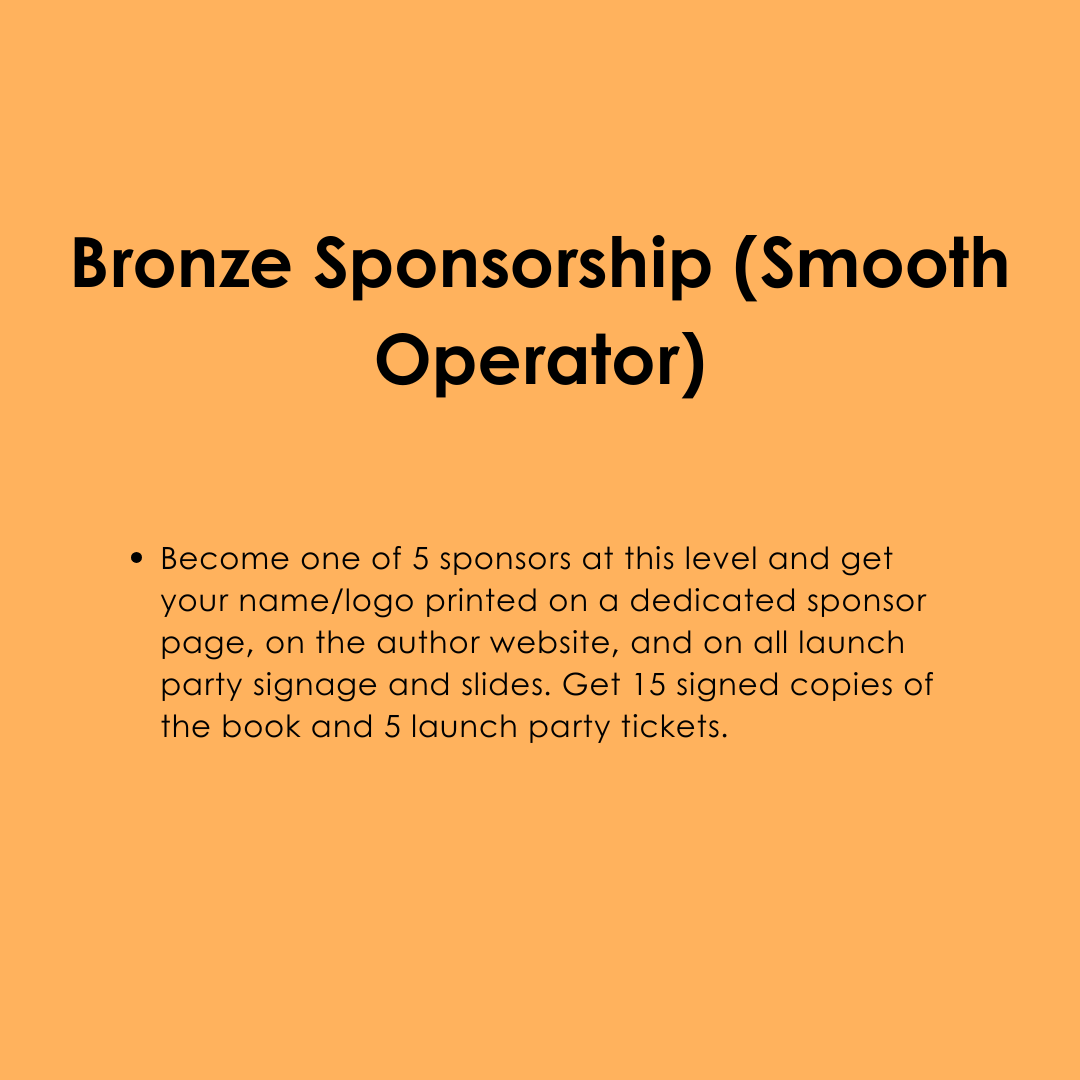
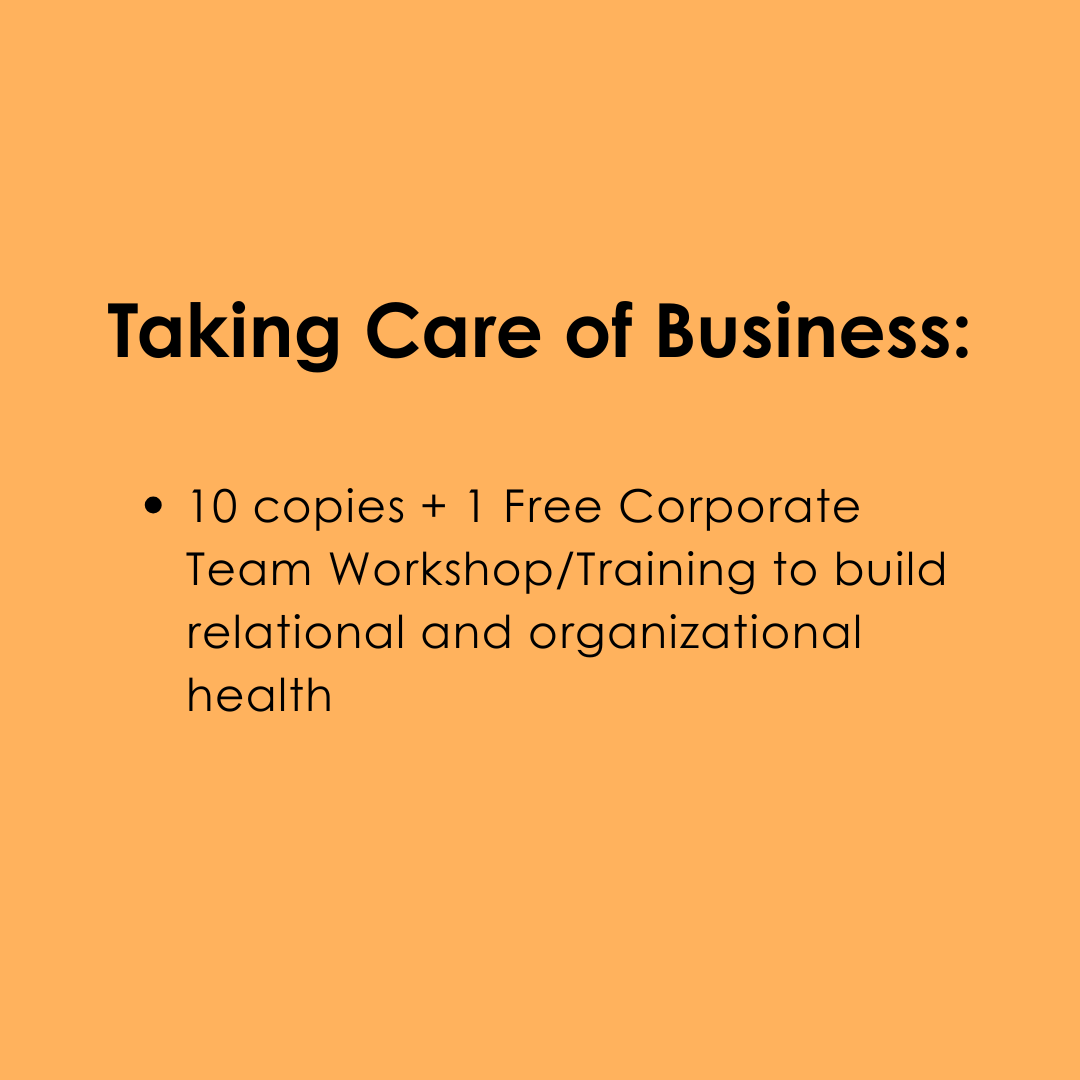
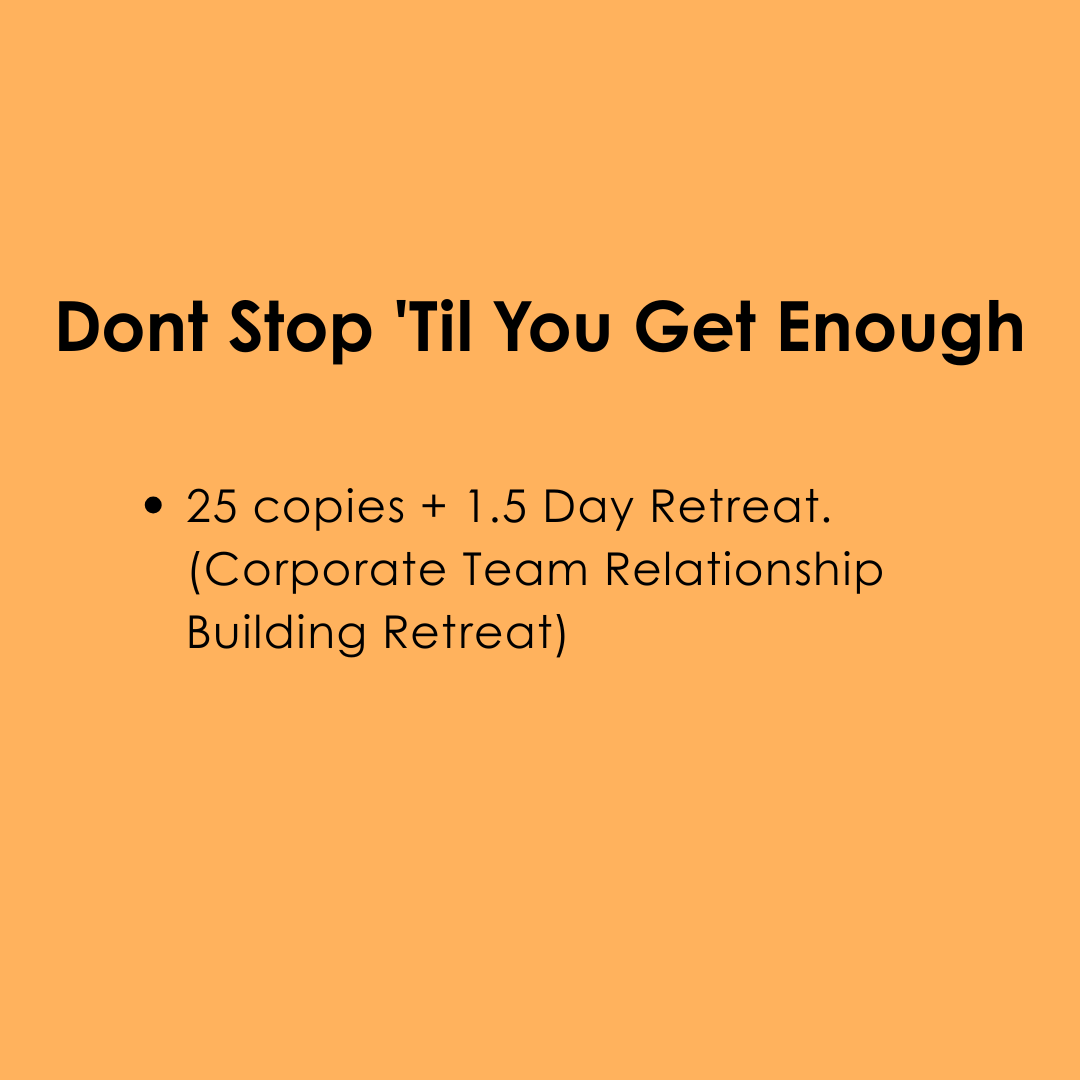
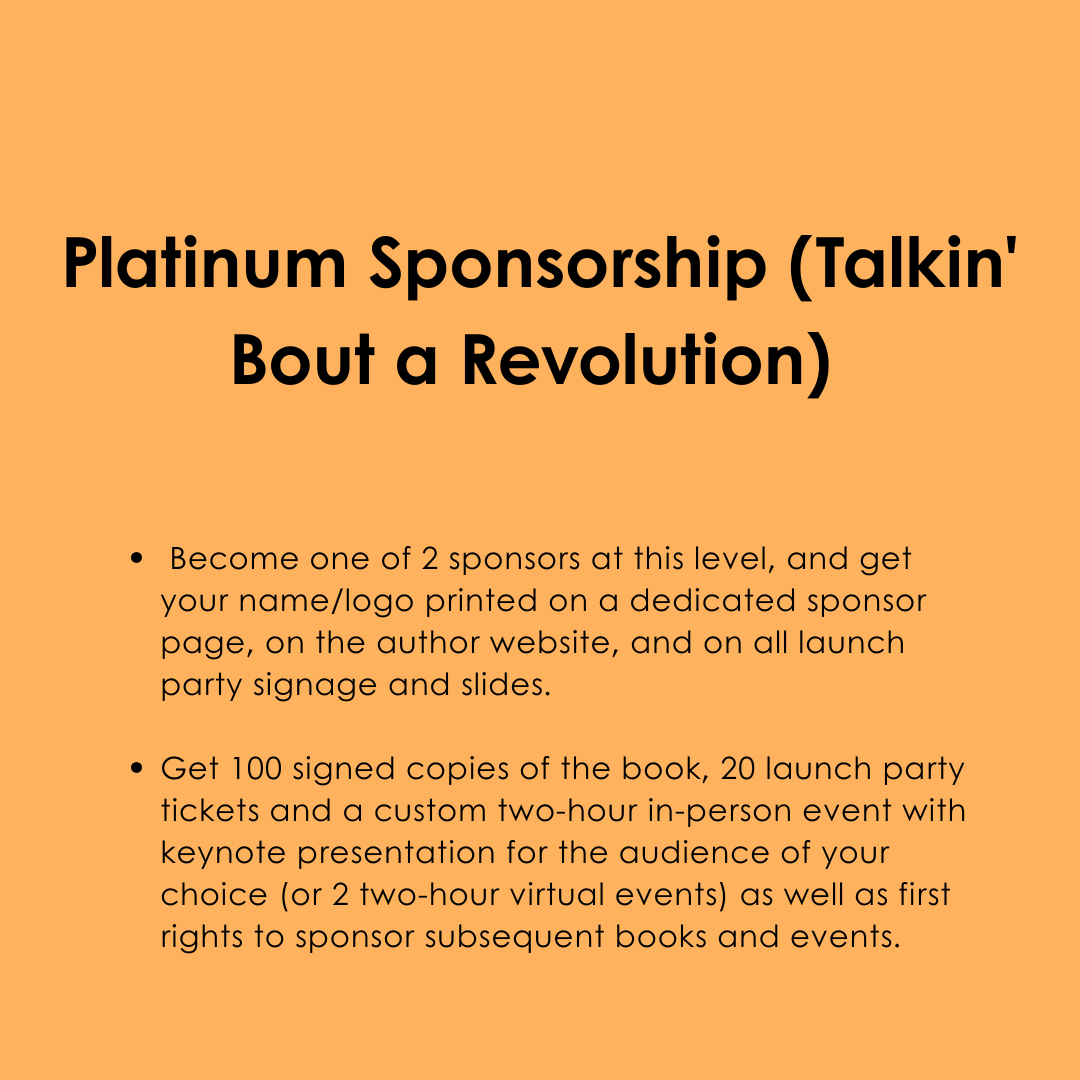
Launch Perks & Exclusive Packages
Everyone who purchases a perk to the book launch will receive:
- A copy when I publish in Winter 2026.
- The opportunity to have your name featured in the Acknowledgments section of my book (“with Special Thanks to”).
- You will have the opportunity to be involved in finalizing my cover.
- Early access to the Introduction.
- And more surprises along the way!
Other Ways to Support
Some people just can’t contribute, but that doesn’t mean they can’t help.
Please share my presale campaign on Facebook, X, and LinkedIn with your friends, family, and network. Please use #WhatWeOweEachOther and tag me so we can help amplify your efforts.
Please recommend my book to five (5) friends, family members, or co-workers who you think would enjoy it via text or direct message on social media.
Thank you so much for all of your love and support,
Crystal
Follow Me:

About the Author
Crystal Clarke is a social psychologist and organizational development consultant whose work focuses on human connection, relational dynamics, and the cultures that shape how people treat one another. She works with organizations, educators, and leaders to build environments rooted in psychological safety, dignity, and meaningful connection.
In her own words:
“I wrote What We Owe Each Other because I believe the way we treat one another is a reflection of our inner worlds and how we have learned to treat ourselves. I have seen how much pain comes from disconnection, and I have also seen what becomes possible when people begin to come back to themselves. I believe we are capable of more care, more honesty, and more dignity in how we relate—and that this work is not just personal, it’s deeply collective. It’s how we begin to heal not just our relationships, but the world we share.”
FAQ PAGE
PRESALE PERKS AND PACKAGES